
Description
Durban Poison (D29) Strain Overview
Durban Poison (D29) is a legendary pure Sativa landrace originating from the port city of Durban in South Africa. This strain is celebrated worldwide as one of the most energizing and clear-headed Sativas available. It delivers a potent, uplifting cerebral high without heavy sedation, making it a favorite for daytime use, creativity, and productivity.
Often called the “espresso of cannabis,” Durban Poison provides a focused, motivating buzz that helps users power through tasks, social activities, or creative projects. Its genetics have influenced many modern hybrids, and select cuts like D29 are prized for consistent performance, resin production, and vibrant terpene expression.
Genetics & Lineage
- Type: 100% Sativa (landrace)
- Origins: Indigenous to the Durban region of South Africa. Seeds were brought to the United States in the 1970s by cannabis activist and breeder Ed Rosenthal, who helped stabilize and popularize it.
- D29 Note: This designation typically highlights a specific phenotype or mother plant selection known for enhanced vigor, flavor intensity, or yield in cultivation environments.
Cannabinoid Profile
- THC: Typically 18–25% (can reach 24%+ in top batches; some high-THCA flower tests show elevated levels around 29%)
- CBD: Very low (usually <1%)
- Notable: Often features notable THCV levels, which may contribute to its clear, energizing, and appetite-suppressing effects rather than traditional “munchies.”
Terpenes & Flavor Profile
Durban Poison stands out for its bold, distinctive aroma and taste:
- Aroma: Sweet and earthy with spicy anise (licorice), pine, and subtle citrus or herbal notes. Pungent and refreshing, often described as vibrant and uplifting.
- Flavor: Sweet licorice or anise on the inhale, with earthy, piney, and peppery/citrus undertones on the exhale. The smoke is thick and expansive.
- Dominant Terpenes: Terpinolene (floral/piney), pinene (fresh/pine), myrcene, ocimene, caryophyllene, and sometimes limonene. These contribute to the strain’s energizing and mood-enhancing qualities.
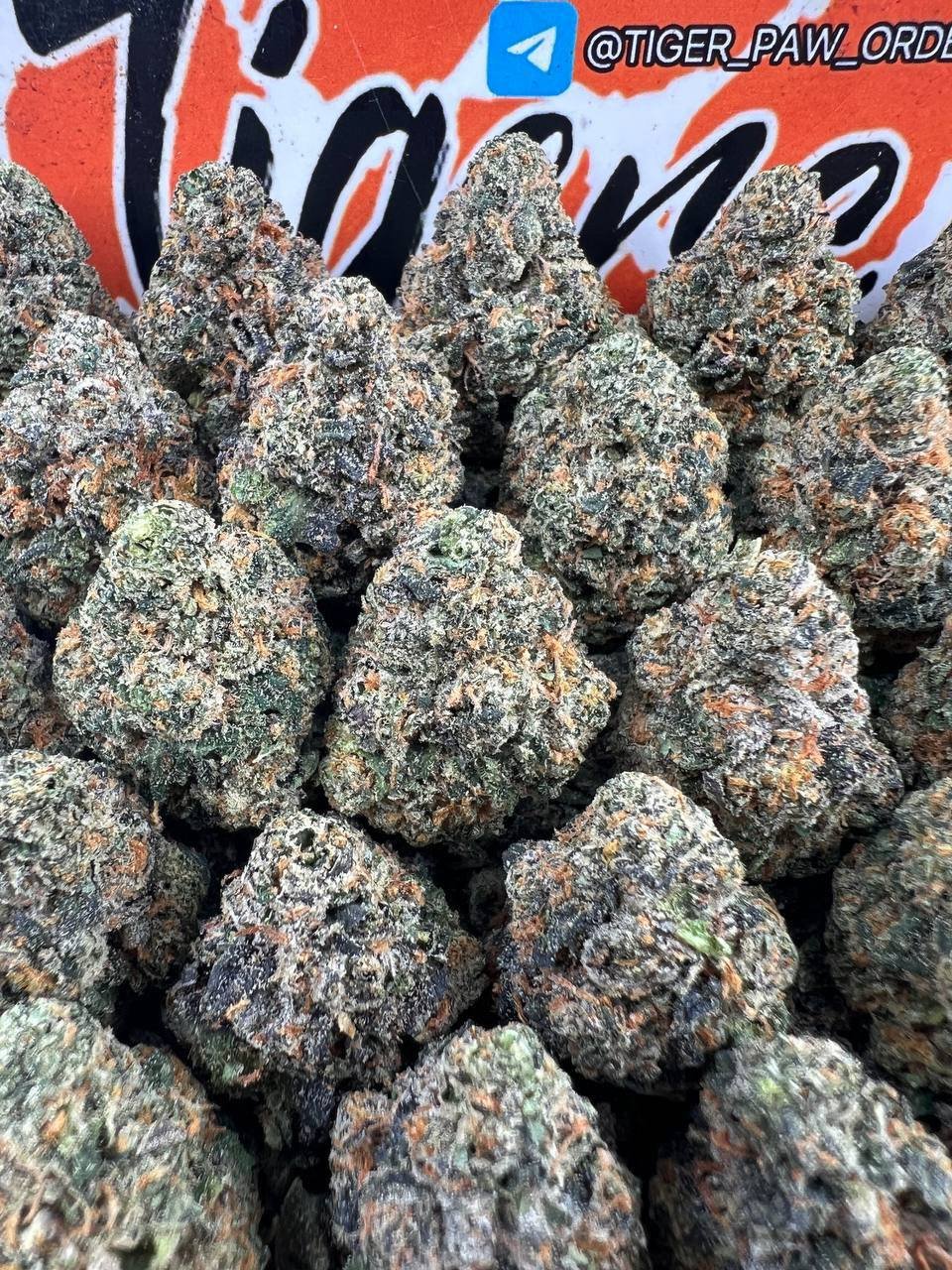
The buds are typically medium to large, chunky, and densely coated in oversized trichomes, making it excellent for concentrates and extracts.
Effects & Experience
Durban Poison (D29) hits with a fast-onset, happy head high that evolves into sustained mental clarity and motivation:
- Primary Effects: Energetic, uplifting, euphoric, focused, creative, and sociable. Users often report heightened sensory perception and a desire to get active.
- Best For: Daytime activities, chores, exercise, creative work, or social settings. No couch-lock — it keeps you moving and thinking clearly.
- Duration: Potent but functional; the high is strong yet shorter-lived compared to some heavy Indicas, thanks in part to its cannabinoid balance.
- Potential Side Effects: Dry mouth/eyes (common), occasional paranoia or anxiety in sensitive users or at very high doses.
Medical/Wellness Uses (anecdotal/user-reported):
- Stress relief
- Fatigue
- Mood enhancement
- Focus and creativity support
- Chronic pain or inflammation (due to high THC)
- Some users note it may help suppress appetite
Growing Information (for cultivators)
Durban Poison is a resilient Sativa that performs well indoors and outdoors, especially in warmer climates similar to its South African roots. It flowers in 8–10 weeks, produces good yields, and is known for its mold resistance and vigorous growth. Select cuts like D29 are often favored for stability and trichome density.


Reviews
There are no reviews yet.